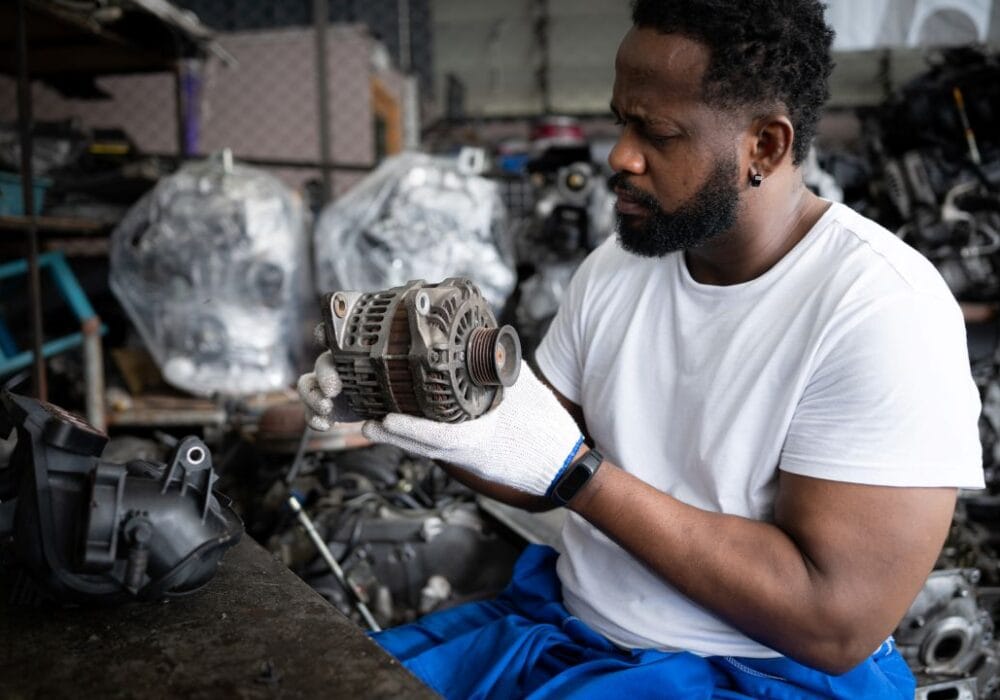
Obsolete stock in garages reduces available space, restricts cash flow, and increases operational inefficiency. Parts become obsolete through overstocking, model changes, and poor tracking. Identifying early warning signs and maintaining accurate inventory data allows garages to minimise waste, recover value, and improve overall workshop productivity and compliance.
Outdated parts in garages are often wasted, because they aren’t good enough for servicing, and can’t be sold to a third party. Over time, these parts start taking up valuable space that could be used for other tools or newer stock.
The bigger problem is that these unused parts often sit unnoticed for months, slowly blending into the background of your workshop. You might disregard them as a few leftovers, but they can turn into piles of unused parts stock in the garage quickly.
Without a proper system in place, it’s difficult to tell which parts are still useful and which ones have become outdated. That’s how obsolete stock in garages quietly grows over time.
To manage this better, it helps to have a clear plan for keeping track of what’s in your inventory and how it is being used. Learning how workshops manage obsolete stock in garages can help you save both space and effort while streamlining your garage workflow.
In this blog, we’ll explain how garages manage obsolete spare parts and the importance of dealing with outdated garage inventory using efficient stock management.
Parts often become obsolete when they stay unused for long periods or are replaced by newer models. As cars evolve, older components lose their compatibility, and those parts start gathering dust instead of being fitted into vehicles.
Sometimes, garages overstock due to misjudging demands or big promotional offers. It seems like a good deal on paper, but the extra parts often turn into excess inventory that keeps storage spaces occupied and reduces room for newer, useful items.
Another common reason parts become obsolete is supplier or manufacturer changes. When a garage part is discontinued directly by a supplier, it’ll lose relevance quickly. Even if they’re still in good condition, you won’t be able to match them to new models, which leaves those parts stuck in storage.
It’s important to know the difference between slow-moving parts and obsolete stock in garages. Slow-moving parts still have some demand, though limited, while obsolete stock is unlikely to ever be used again.
Holding onto obsolete parts inventory in garages may not seem like a big deal at first, but their costs build up quietly over time. Each unused item in your garage takes up shelf space that could be used for fast-moving stock, which limits your ability to manage inventory efficiently.
These unused parts also lock away money that could be spent on better tools or parts you actually need in your workshop. Even a few forgotten items can slowly affect your cash flow.
When storage areas get crowded, it becomes harder for your team to find what they need. This slows down repair times and makes everyday work less efficient. Read this blog to learn how you can help your team reduce daily repair time.
You also need to constantly keep a record of your obsolete stock. Old labels or poor tracking can cause mistakes during checks and lead to serious problems during audits.
Spotting the early signs of parts becoming obsolete can help you act before they pile up. Here are some clear indicators to look out for in your garage:
These small signs show which items are slowing down in use and could soon turn into unused parts stock in the garage. Tracking them early and having effective stock control measures in place can help you prevent this waste in your garage and keep your inventory organised.
Start by setting up a simple stock tracking system. Record every part that comes in and goes out of your garage. Also, make sure that someone on the team performs regular checks to understand which items are being used daily and which ones have stayed on the shelf for too long.
You can also use basic inventory data, like shelf life or stock turnover, to spot parts that are obsolete. These small insights help you make more informed decisions and boost profitability over time.
Once you’ve recognised the obsolete stock in the garage, focus on selling it to third-party suppliers or resale platforms. Most buyers won’t prefer outdated parts, so you’ll likely have to sell them at a much cheaper price to get rid of them.
The best way to fix this problem is by installing a trusted garage management software that can track your inventory without hassle. TechMan combines tracking and stock control in a single system to help you recognise outdated garage parts and keep your garage operations running smoothly.
TechMan’s garage management software is designed to make your garage’s daily operations easier and less stressful for everyone involved. From streamlining your daily tasks to automating mundane processes, it brings all the moving parts of your workshop into one clear, manageable system.
With advanced features such as accounting, customer management, personnel management, stock control, and reporting, you can control your garage operations better and keep everything running smoothly.
Click here to learn more about our features, or contact us to request a demo.
Explore TechMan in real-time in a working garage and see how our extensive integrations can simplify your operations and save hours of time every day.


